
Knowledge Centre
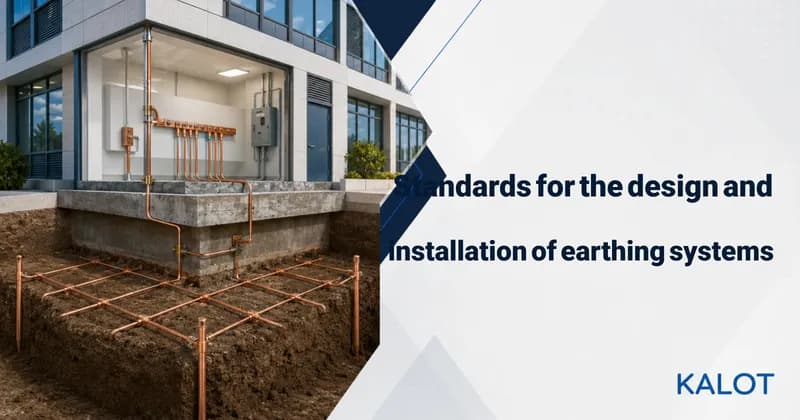
What are the standards for designing and installing earthing systems?
An earthing system does not have one single standard: each part has its own reference. In this guide we introduce, with a visual map, the Iranian regulations and the international standards for the design, installation, component specification and testing of earthing systems, and we explain which one fits which project.
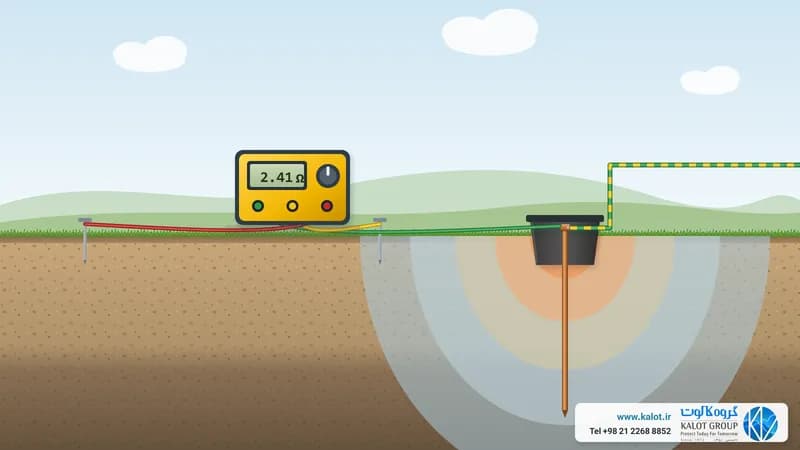
What earth resistance is required for different applications?
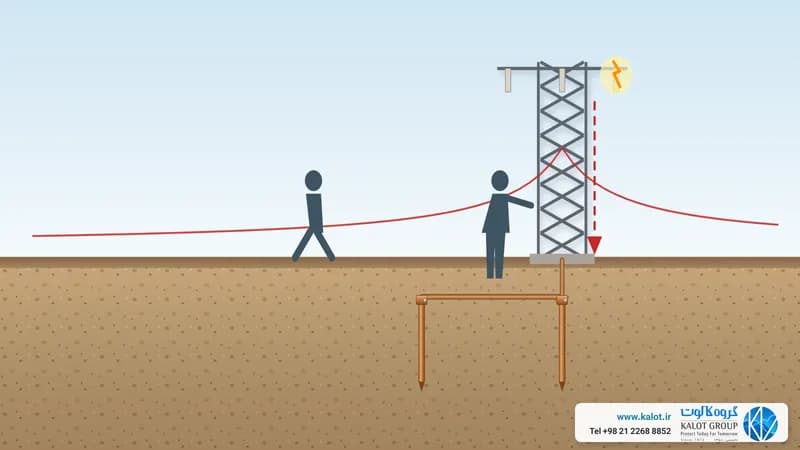
How are protective earthing system specifications determined? Touch voltage, disconnection time and earth resistance
No single figure for a protective earthing system holds for every installation. Its specifications come from the type of power system, the fault current and disconnection time, the permitted touch voltage limit and the soil. In this guide we explain, with illustrations, how to determine them for low-voltage and high-voltage installations.
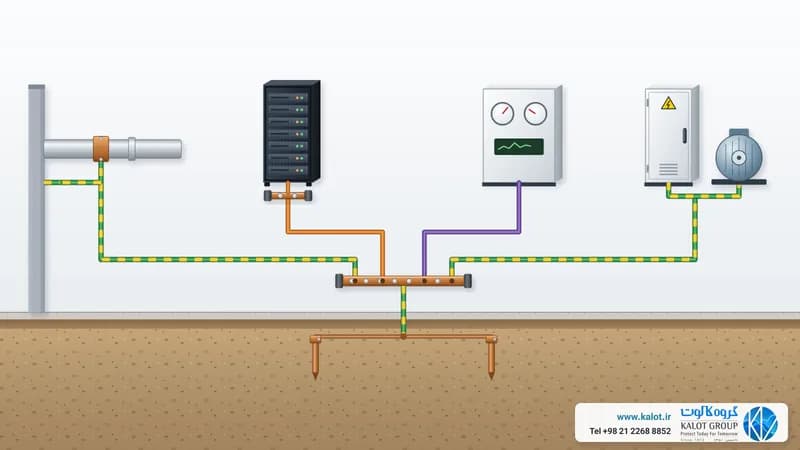
Earthing and Its Types
How do protective, functional and clean earth differ, which standards define them, and can two earthing systems be fully separated from each other?
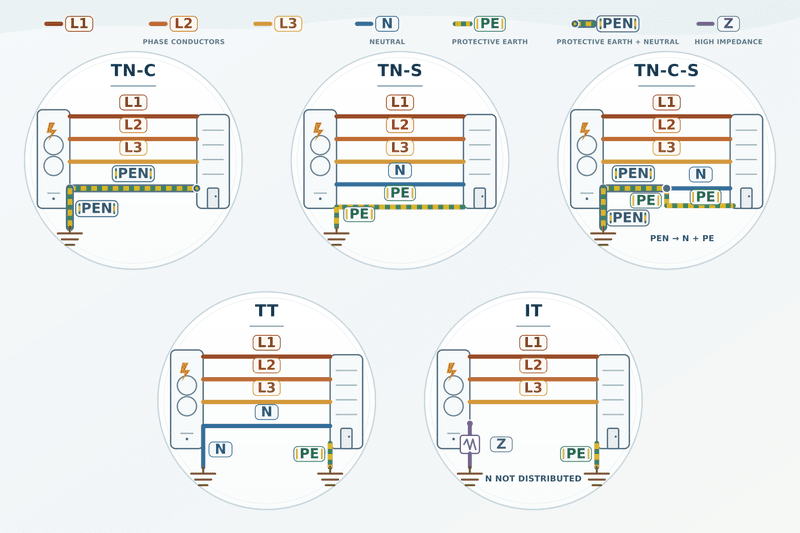
What do the types of earthing system mean? An introduction to TT, TN and IT
Are ground improvement materials environmental pollutants or harmful to the human body?
Standard ground improvement materials are tested for soil and water pollution; a non-standard material has not been through any such test.
Which Formulas Are Used to Calculate Earth Electrode Resistance When Using Ground Improvement Materials?
Which formulas and standards calculate earth electrode resistance with and without ground improvement materials?
Which Materials Should We Use in Which Soils?
In wet ground and in dry or high-altitude areas, which type of ground improvement material performs better?
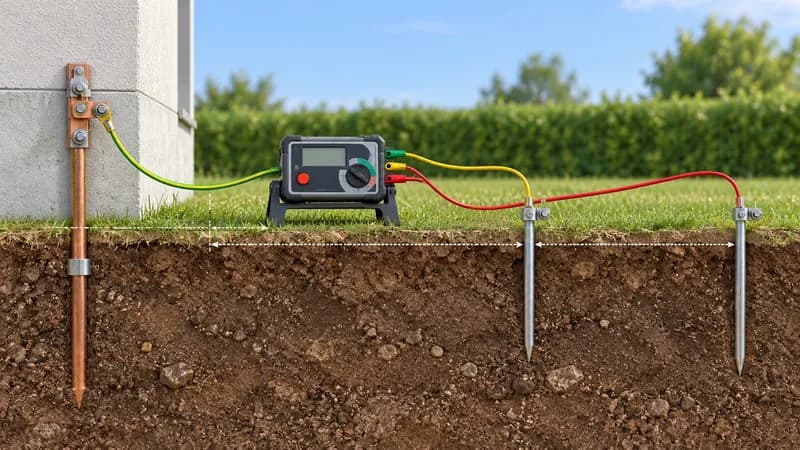
How is earth termination resistance measured? The three-point, Wenner and Schlumberger methods
A step-by-step guide to measuring earth resistance with the three-point (fall-of-potential) method and soil resistivity with the Wenner and Schlumberger methods: formulas, probe spacing, advantages, limitations and common errors.
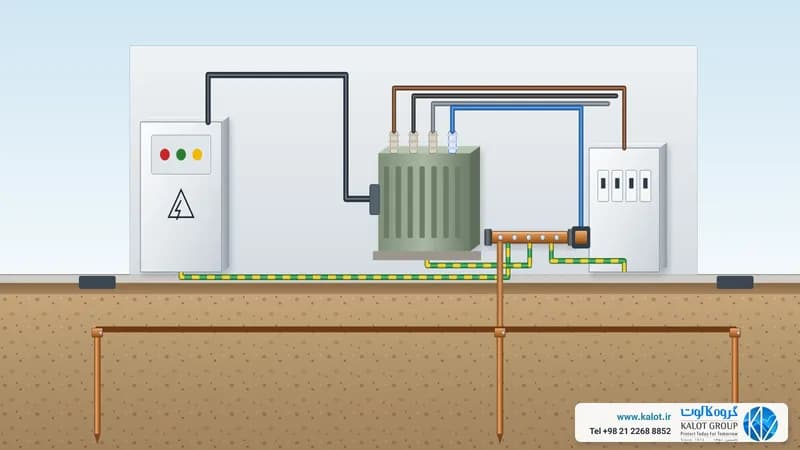
How are the specifications of an electrical earthing system determined? Transformer neutral earthing, earthing conductor and resistance
Electrical earthing, or operational earthing, connects the transformer's neutral point to earth and forms part of the power circuit. Its specifications come from the neutral earthing method, the highest short-circuit current to earth and the relay trip time. In this guide we explain, with figures and examples, the earthing conductor cross-section, resistance and earth potential rise, and whether a substation's high and low voltage earths should be separate or shared.
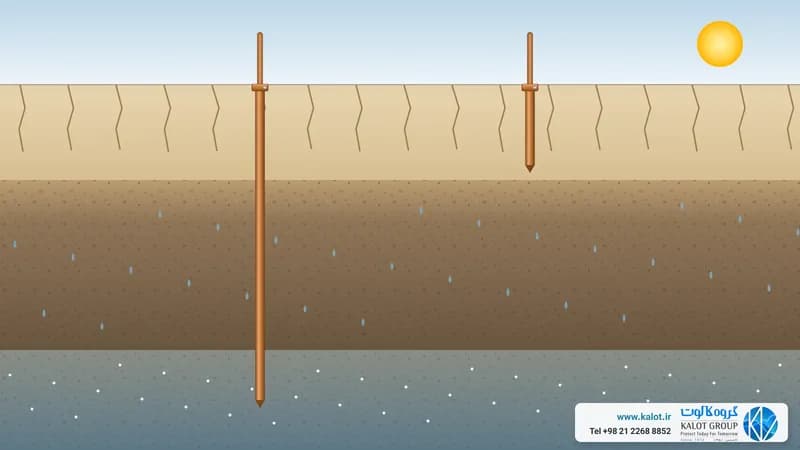
Is Soil Moisture a Key Factor in Lowering Earth Resistance? (With Chart)
Moisture is one of the most important factors in soil resistivity: in the IEEE 142 data, the resistivity of a soil falls several times over as moisture rises from 10 to 20%. In this article we use a chart to show how much moisture matters, where it is not enough and how to keep earth resistance stable through every season.
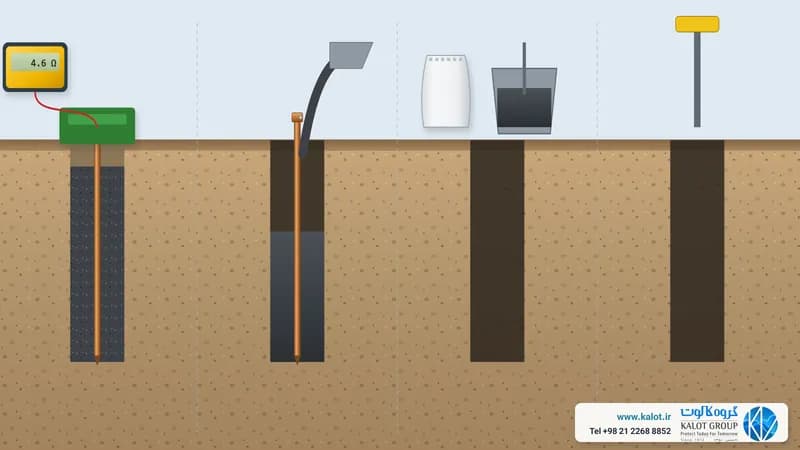
What Are Carbon-Based (Carbon Base) Ground Improvement Materials? Composition, Performance and Installation
Carbon-based materials are the new generation of ground improvement materials: carbon conducts without needing moisture, does not dissolve in water and does not wash out. With figures, we explain why these materials are mixed with cement and water, how they are installed around the electrode and what test evidence they should have.