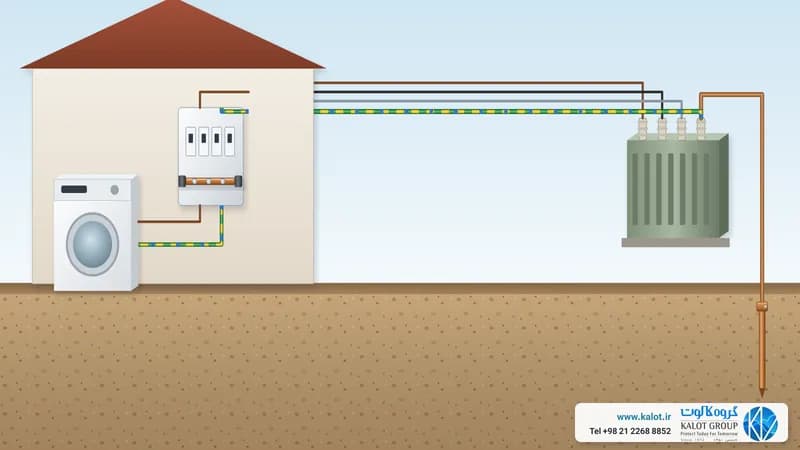
What do the types of earthing system mean?
In the design and installation of electrical systems, earthing plays a vital role in protecting equipment and keeping people safe. Depending on the type of power network and the operating conditions, earthing systems fall into several categories, of which the most widely used are:
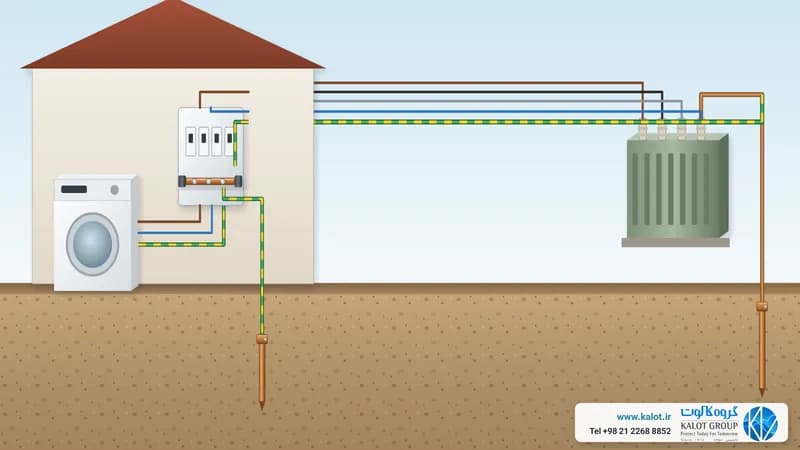
- TN-S: system with separate neutral and earth
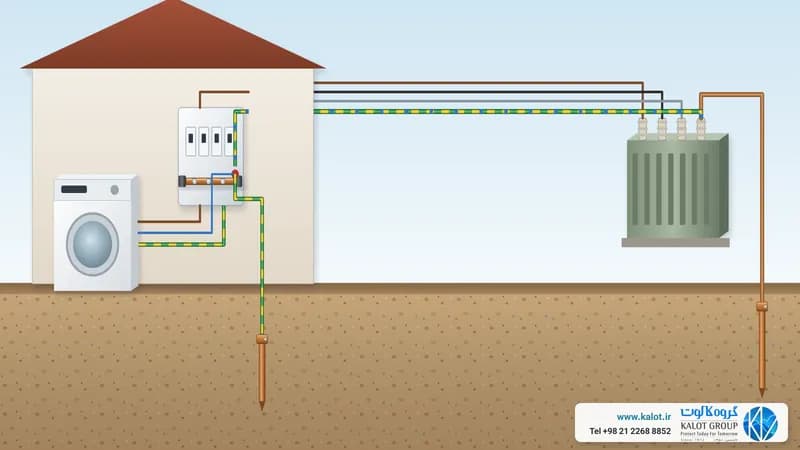
- TN-C: system with a shared neutral and earth conductor (PEN)
- TN-C-S: a combination of TN-C and TN-S
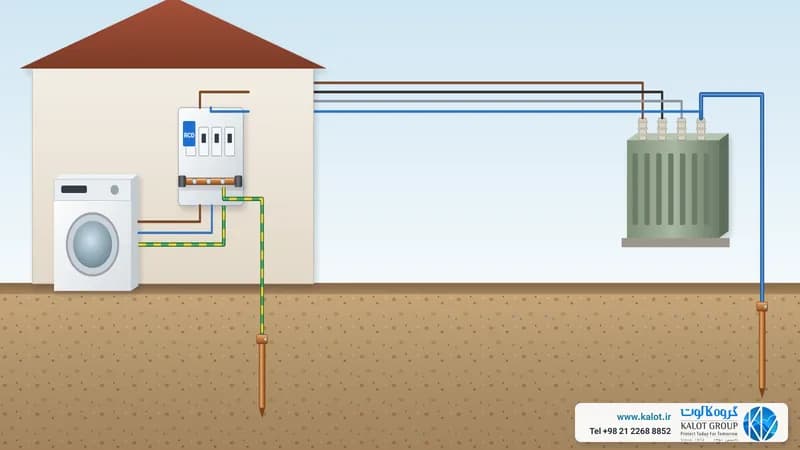
- TT: system with the consumer's own separate earth
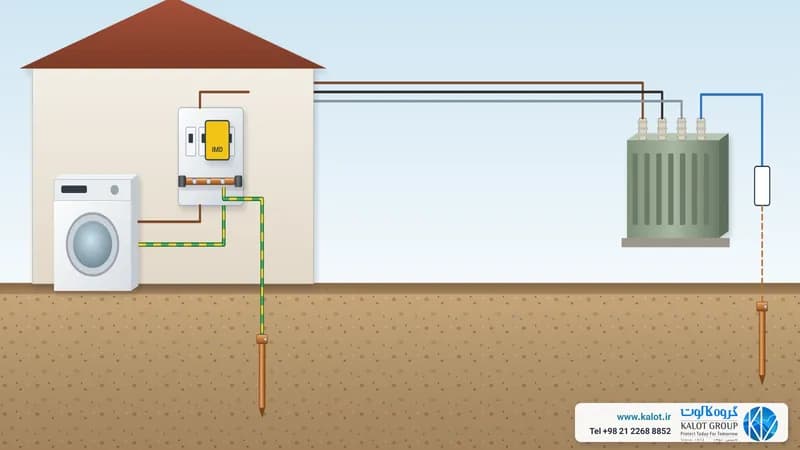
- IT: system isolated from earth or connected through high impedance
Each of these systems has its own features, advantages and drawbacks, and the choice depends on factors such as safety, stability, soil conditions, type of consumer and international standards (IEC 60364, IEEE 80, DIN VDE 0100).
Symbols and abbreviations
- L1, L2, L3 → phases
- N → neutral
- PE → protective conductor (Protective Earth)
- PEN → combined neutral and earth
- R, S, T → phase labels in diagrams
These symbols are used in all standards and help you quickly identify the type of earthing system on a drawing.
Why does it matter to know the types of earthing system?
- Preventing the risk of electric shock to people under fault conditions
- Protecting equipment against lightning and surges (Surge Protection)
- Ensuring correct operation of protective devices (RCD/RCB)
- Meeting the requirements of global standards (IEC, IEEE, VDE)
- Choosing the best approach to earthing system design in buildings and industry
How this page connects to our other pages
This article is an introduction to earthing systems. For a full picture of each system, read our dedicated pages: