Permitted electrical earth resistance for different applications
The electrical resistance of the earthing system, or earth resistance, is a vital element in the design and installation of electrical and protection systems. The value varies with the type of system and its use, and it is often set through detailed calculations. For some specific applications, however, standard values are recommended as a general rule. The table below lists most of the important cases and their standards for your reference:
No. | Application | Permitted electrical resistance (ohms) | Reference standard | Standard notes |
|---|---|---|---|---|
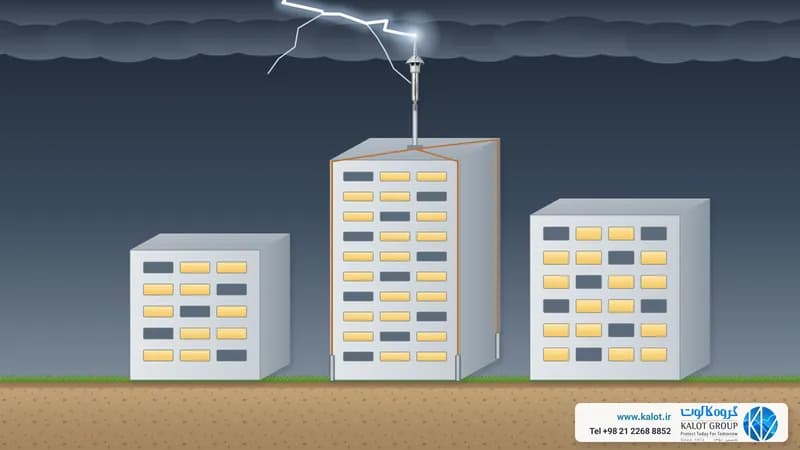
1 | Lightning protection system | 10 | IEC 62305 NFC 17102-2011 | International standard for lightning protection: this resistance is chosen to discharge lightning energy safely into the earth. |
2 | Star point of the power source (power transformer) | 2 | IEEE 80 | IEEE standard for earthing systems in substations and power installations: low resistance helps reduce electrical hazards for equipment and personnel. |
3 | Enclosures of low-voltage panels and electrical appliances (neutral and enclosure earthed separately) | 65 | NFPA 70 | US National Electrical Code for the design and safety of electrical systems: this resistance is recommended to ensure safety in low-voltage environments. |
4 | Enclosures of low-voltage panels and electrical appliances (neutral and enclosure connected together) | 50 | NFPA 70 | US National Electrical Code for the design and safety of electrical systems: this resistance is recommended to ensure safety in low-voltage environments. |
5 | Telecommunications systems | 1 | ITU-T K.27 | ITU standard for protecting telecommunications equipment against induced voltages: this resistance is chosen to prevent electromagnetic interference. |
6 | Data centres | 0.5 | ANSI/TIA-942 | ANSI standard for data centre design: this resistance helps improve the performance and safety of data centre infrastructure. |
7 | Navigation control rooms | 1 | ICAO Annex 14 | ICAO standard for the safety of navigation equipment and airports: this resistance assures the safety of aviation equipment. |
8 | Hospitals | 0.2 | IEC 60364-7-710 | IEC standard for the electrical installations of medical centres: this resistance is set to reduce electromagnetic interference and protect patients. |
9 | Radar equipment | 1 | ITU-T K.27 | ITU standard for protecting radar equipment and reducing signal interference. |
10 | Warehouses | 10 | NFPA 780 | NFPA standard for safety in warehouses and reducing the risk of fire. |
11 | Explosives stores | 1 | NFPA 495 | NFPA standard for the safe storage of explosives: this resistance prevents static discharge and explosion hazards. |
12 | MRI and CT scan rooms | 0.5 | IEC 60364-7-710 | IEC standard for the safety of MRI and CT Scan equipment and reducing electromagnetic interference. |
13 | Operating theatres | 0.2 | IEC 60364-7-710 | IEC standard for the safety of operating theatre equipment and preventing electromagnetic interference. |
14 | High-voltage substations | 0.5 | IEEE Std 80 | IEEE standard for the safety of high-voltage substations and preventing electrical fluctuations. |
15 | Low-voltage substations | 2 | IEEE Std 80 | IEEE standard for low-voltage substations and preventing unwanted fluctuations. |
16 | Medium-voltage substations | 1 | IEEE Std 80 | IEEE standard for medium-voltage substations and assuring stable equipment performance. |
17 | Petrochemical plants | 1 | API RP 2003 | API standard for petrochemical safety and preventing static electricity hazards. |
18 | Gas transmission pipelines | 1 | NACE SP0169 | NACE standard for preventing corrosion in gas transmission pipelines and improving safety. |
19 | Gas pressure reduction and pressure let-down stations | 1 | NACE SP0169 | NACE standard for the safety of gas pressure reduction and pressure let-down stations. |
20 | Oil pumping stations | 1 | API RP 500 | API standard for the safety of oil pumping stations and preventing explosion hazards. |
21 | Power transmission lines | 5 | IEEE Std 487 | IEEE standard for power transmission lines and safety against overvoltages. |
22 | Seismograph stations | 1 | IEC 60950 | IEC standard for seismograph stations and preventing interference in measuring systems. |
Reference standards and the reasons behind each earth resistance value
The choice of earth resistance for each type of system rests on recognised standards and on scientific and practical reasons. Following these standards supports the safety of the earthing system and reduces hazards:
IEC 62305: the standard for lightning protection systems
IEC 62305 is an international reference for the design of lightning protection systems. It stresses that the electrical earth resistance should be chosen so that lightning energy discharges into the earth quickly and safely. The main reason for this choice is to protect equipment and people against overvoltages caused by lightning.
IEEE 80 and the safety of equipment and personnel in electrical substations
The IEEE 80 standard focuses on the design of earthing systems in electrical substations. Under this standard, earth resistance is set so that equipment and personnel are safe from unwanted voltages. This value of earth resistance helps reduce the hazards of sudden electrical discharges and is a vital criterion in earthing systems.
NFPA 70 and NEC for the safety of low-voltage electrical systems
NFPA 70, or NEC, sets out as an international code the instructions on electrical earth resistance in low-voltage systems. The code is used to reduce the risk of electric shock and to keep buildings safe. The specified earth resistance helps increase safety and protection against electric shock.
ITU-T K.27 and the protection of telecommunications equipment
For telecommunications equipment, the ITU-T K.27 standard stresses the prevention of electromagnetic interference and induced voltages. The electrical resistance of the earthing system for this equipment is set to prevent interference and preserve the quality of telecommunications signals.
ANSI/TIA-942 and data centre safety
The ANSI/TIA-942 standard is used for the design of data centres, and electrical earth resistance is an important factor in their safety infrastructure. This resistance is chosen to ensure optimum equipment performance and protection against power fluctuations.