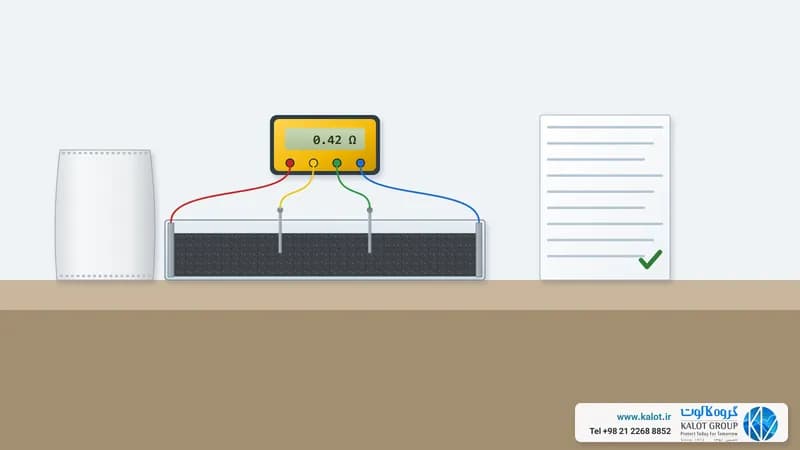
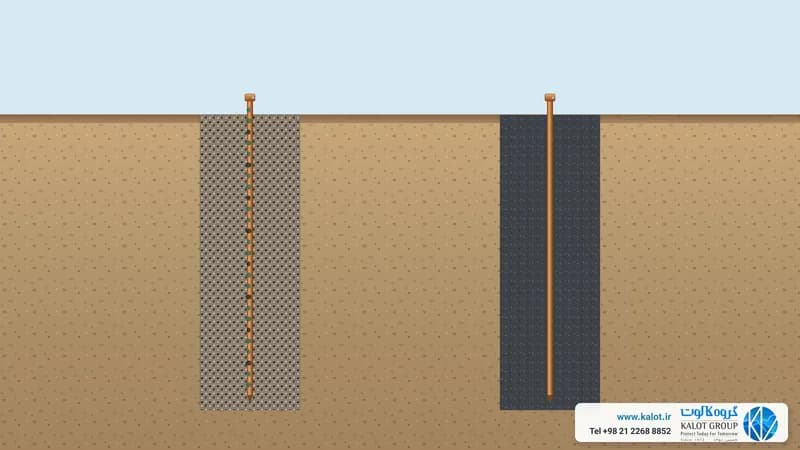
Standard ground improvement materials are tested for pollutants and receive standard approval only if they prove to be non-polluting. These tests look at many factors, including heavy metals that pollute soil, such as nickel, chromium and cadmium, and water pollutants such as sulphur. Achieving a non-polluting material may well be the hardest part of producing ground improvement materials, because the standards are very strict in this area.
Clearly, a non-standard ground improvement material has not been tested for pollution and may contain substances that pollute the environment or are harmful to touch or breathe.