
Knowledge Centre
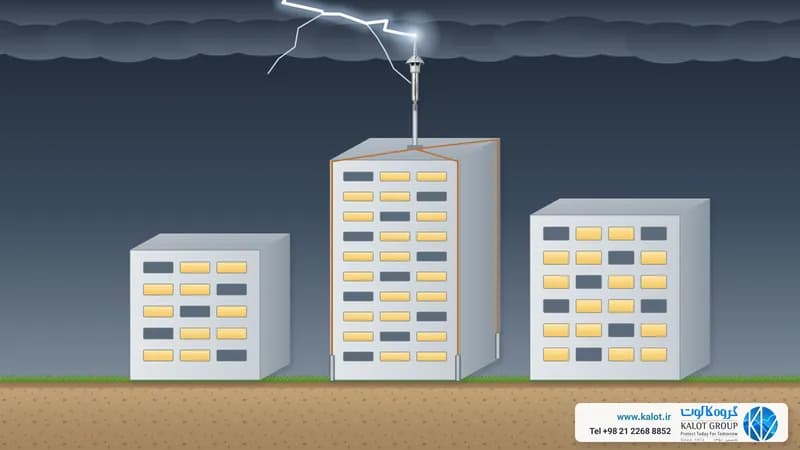
Key points of the French standard NFC 17-102 (2011 edition): 25 installation points for ESE air terminals
The most important installation points of NF C 17-102 (2011 edition) for ESE air terminals, in 25 short items with figures: from air terminal position and down conductors to tall structures, the earthing system, bonding and inspection.
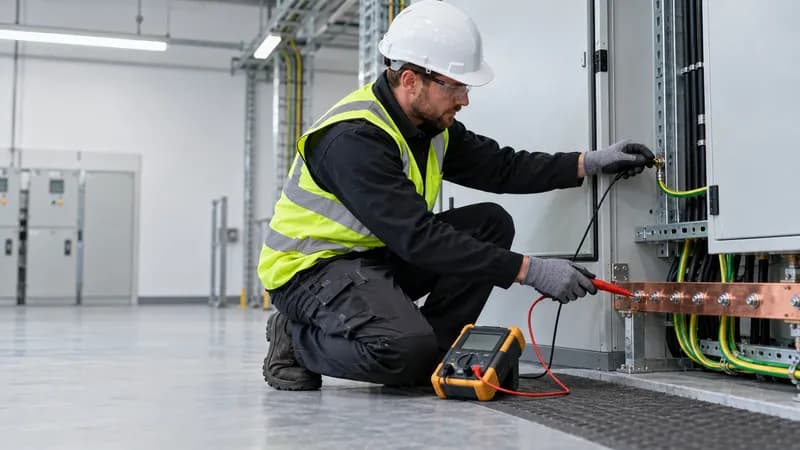
What Is an Electrical Continuity Test? A Guide to Testing Protective Conductors and Bonding
Electrical continuity shows that the protective path between the chosen points is intact, but a low reading alone is not enough. Learn the test method, the instruments used, its limits and where it applies.
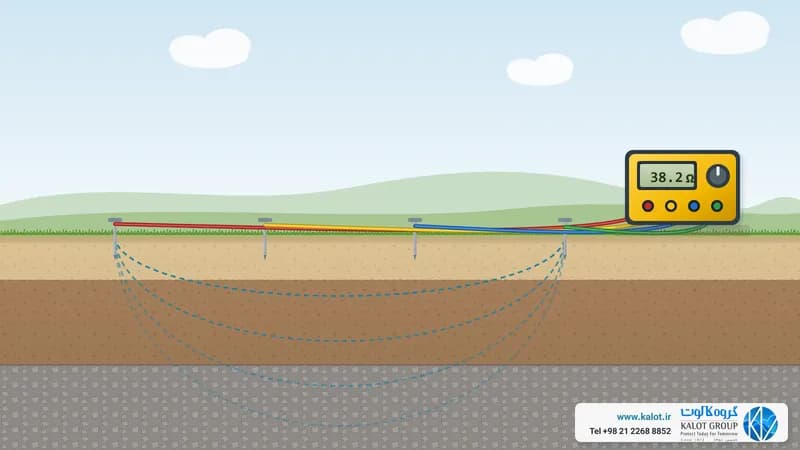
What is soil resistivity and how is it measured?
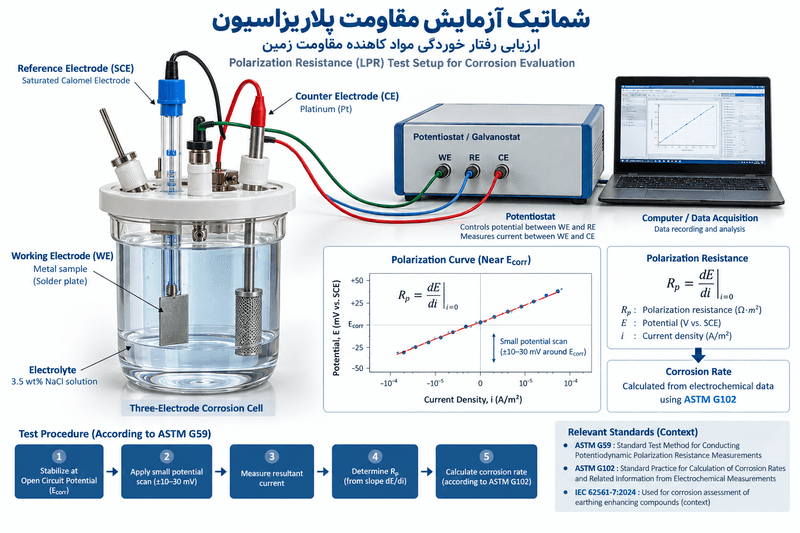
What is polarisation resistance and how is it measured?
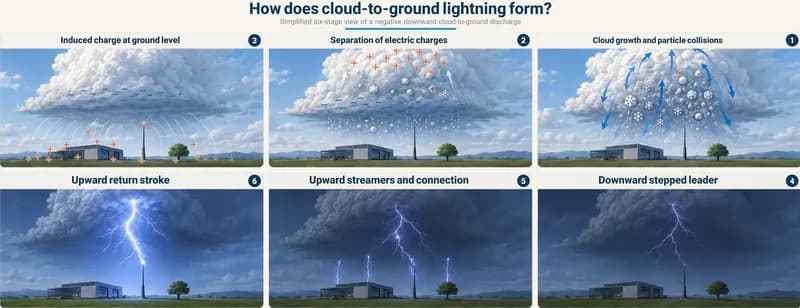
How does lightning form?
Lightning forms in six stages. The most important is the race between upward leaders: whichever point sends its upward leader up earliest and fastest becomes the lightning strike point.
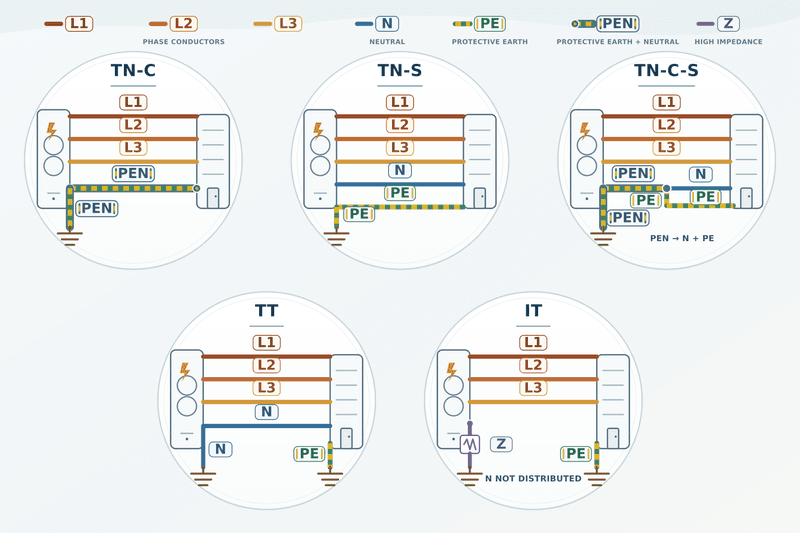
TN-S, TN-C, TN-C-S, TT and IT Earthing Systems Compared: A Practical Selection Guide
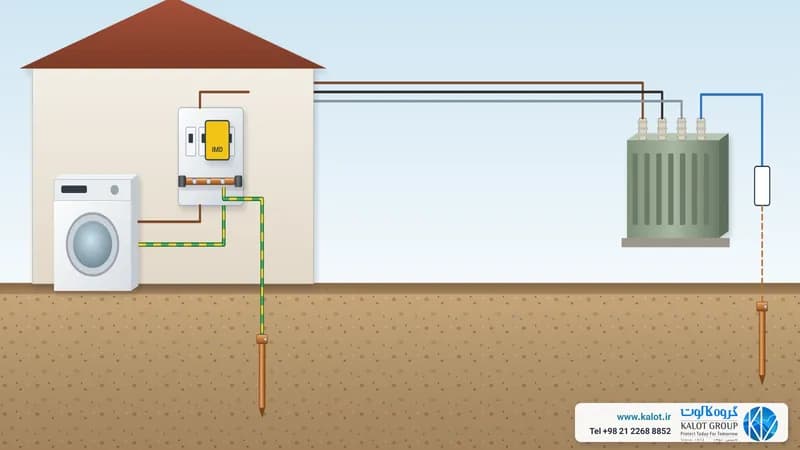
What Is an IT Earthing System? Isolated Supply and Insulation Monitoring
In an IT system the source star point is isolated from earth or earthed through a high impedance, so a first fault does not cut the supply and an insulation monitoring device reports it. We explain first and second faults, use in operating theatres and industry, and the advantages and drawbacks of IT, with diagrams.
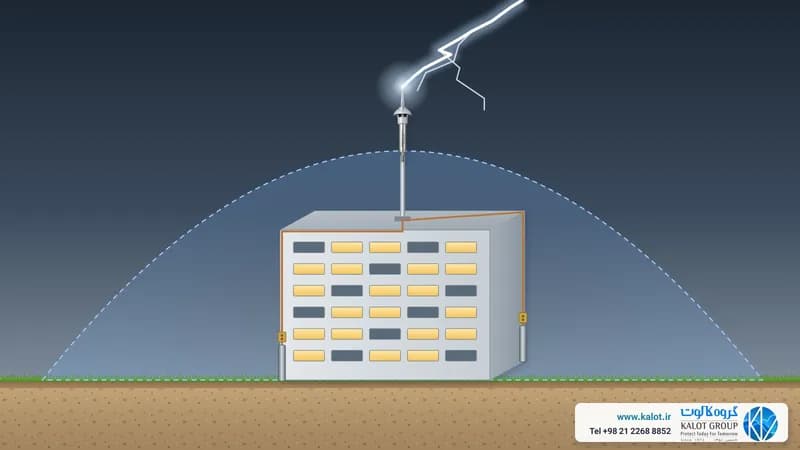
ESE Lightning Protection and NF C 17-102: ΔT, Protection Radius and Design
The French standard NF C 17-102 (2011 edition) is the reference for designing ESE lightning protection. This guide explains what ΔT is and how it is tested, the formula for the protection radius, what a complete system includes and how often it should be inspected.
Ground Improvement Materials Compared: Carbon-Based, Bentonite and Salt
We have set the three main groups of ground improvement material, carbon-based materials, bentonite and salts, side by side in one table, and explained where each one works and where it does not.
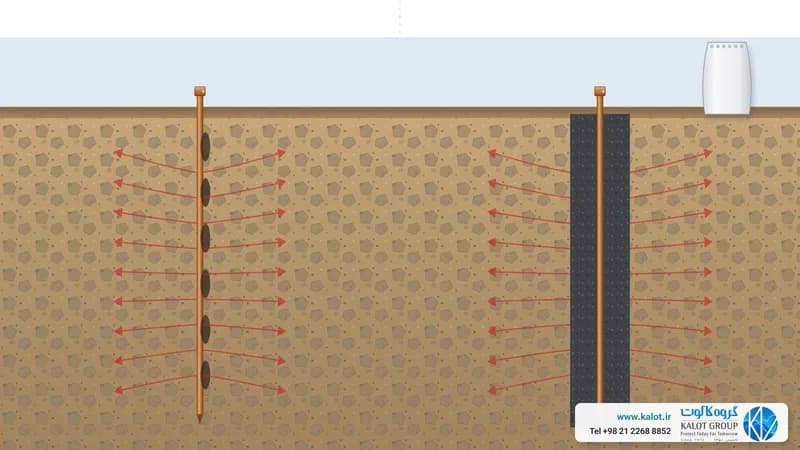
Why is ground improvement material useful? Benefits, limits and a simple calculation
Ground improvement material makes the soil around the electrode conductive and stable, but it does not work miracles. With a simple calculation we show how much a column of material around an earth rod lowers resistance, in which soils it is worthwhile and what it cannot do.
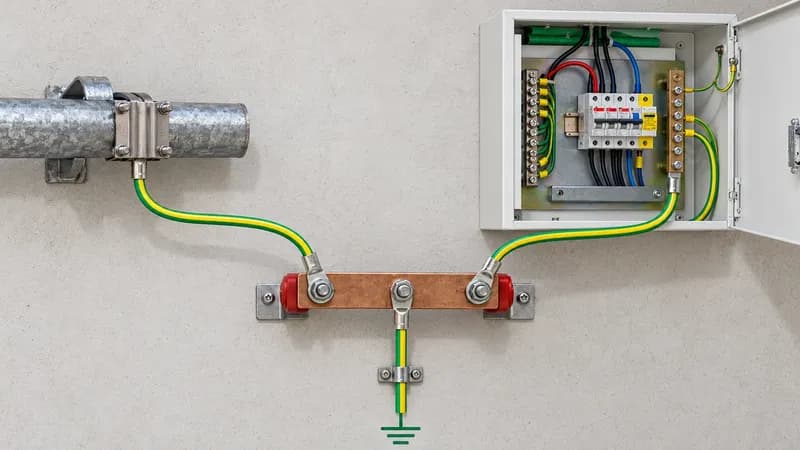
What Are Bonding and Equipotentialisation, and How Are They Carried Out in Earthing and Lightning Protection?
Bonding means connecting a building's metal parts to each other and to the main earth bar so that no dangerous voltage appears between them. In this simple guide we explain what must be bonded, what matters in a building with lightning protection, and which part each connection needs.
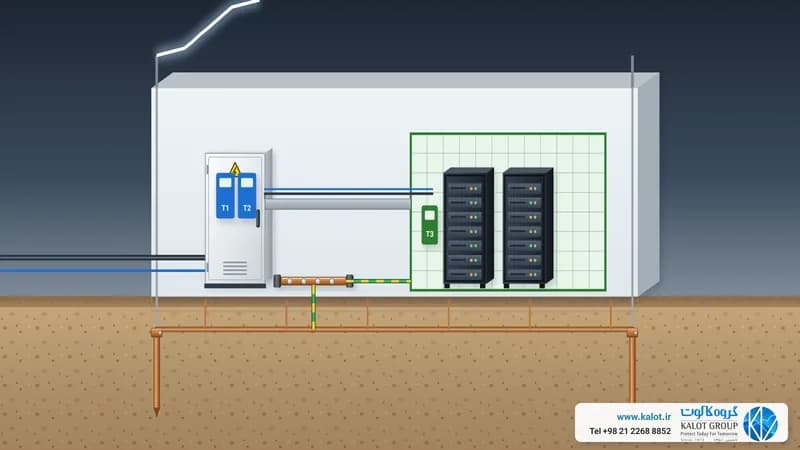
The Role of Earthing, Bonding and EMC in Protecting Sensitive Equipment from Lightning and Surges
Servers, PLCs and medical equipment can be damaged by lightning that never even strikes the building. In this guide we explain why an SPD alone is not enough, and how the four IEC 62305-4 measures, namely the earthing system, the bonding network, shielding and cable routing, and coordinated SPDs, work together to protect sensitive equipment.