
Knowledge Centre
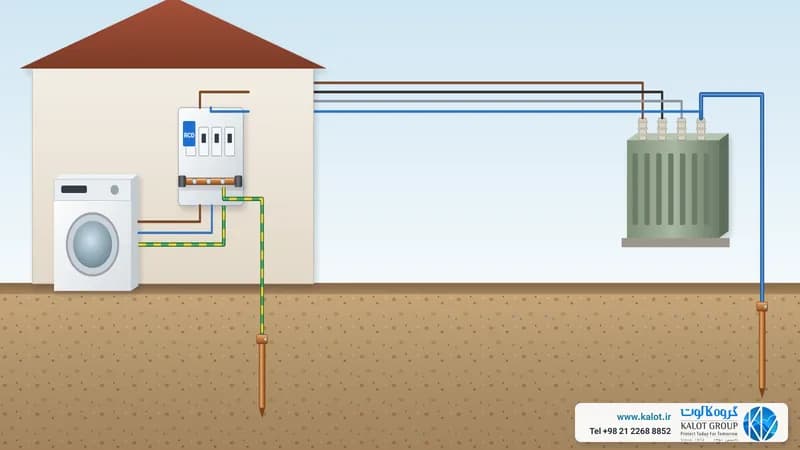
What Is a TT System? Local Earth Electrode and Residual Current Device
In a TT system, the transformer star point is earthed and equipment bodies connect to the building's own earth electrode. We explain with figures why TT needs a residual current device, along with the protection condition, advantages, drawbacks and uses.
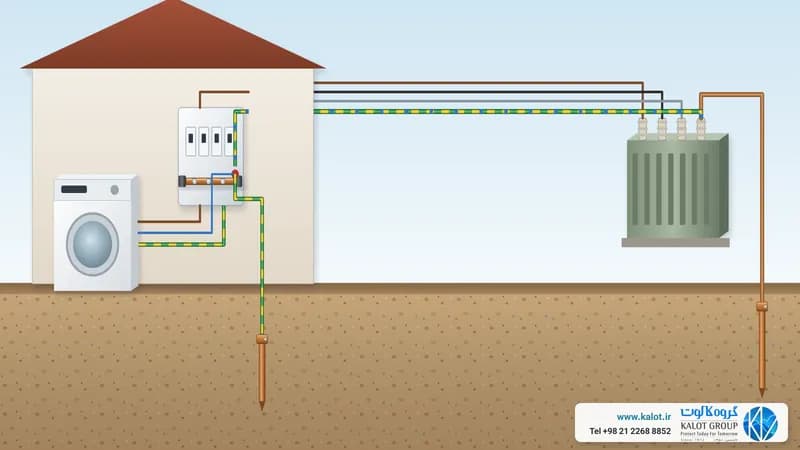
What Is a TN-C-S System? PEN Split, Conditions and Uses
TN-C-S is the most common arrangement in buildings fed from the city network: PEN runs to the entrance and splits there into neutral and protective conductor. We explain the split rule, entrance earthing, the risk of a PEN break and where the system is used, with figures.
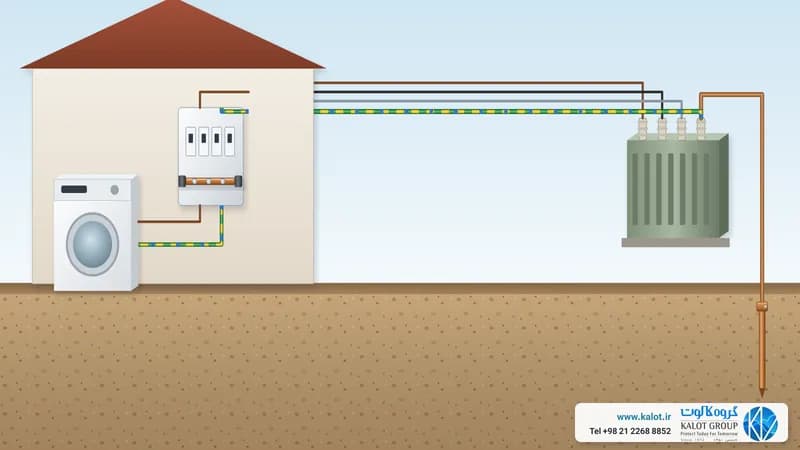
What is a TN-C system? PEN conductor, limitations and risks
In a TN-C system, the neutral and protective conductors are a single conductor called PEN along the whole route. We explain the standard's conditions for PEN, why a residual current device does not work, the risk of a broken PEN and where TN-C stands, with figures.
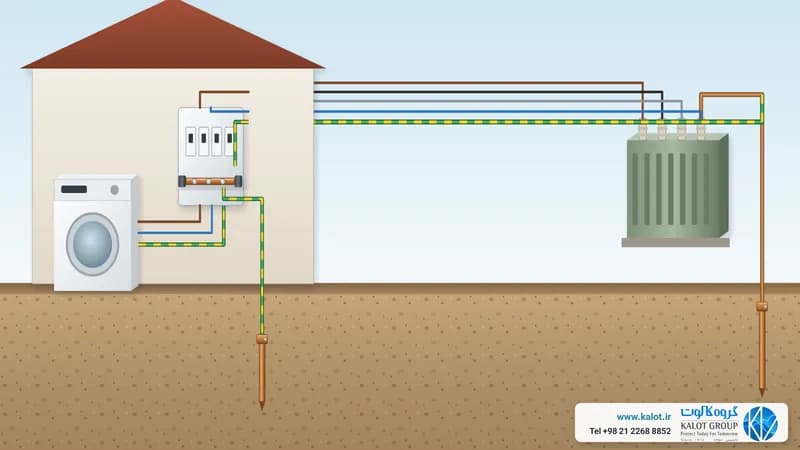
What is a TN-S system? Structure, protection condition, benefits and uses
In a TN-S system, the transformer star point is earthed, and the neutral and protective conductors stay separate from source to load. We explain its structure, the protection condition in IEC 60364-4-41, its pros, cons and uses, with figures and a comparison table.
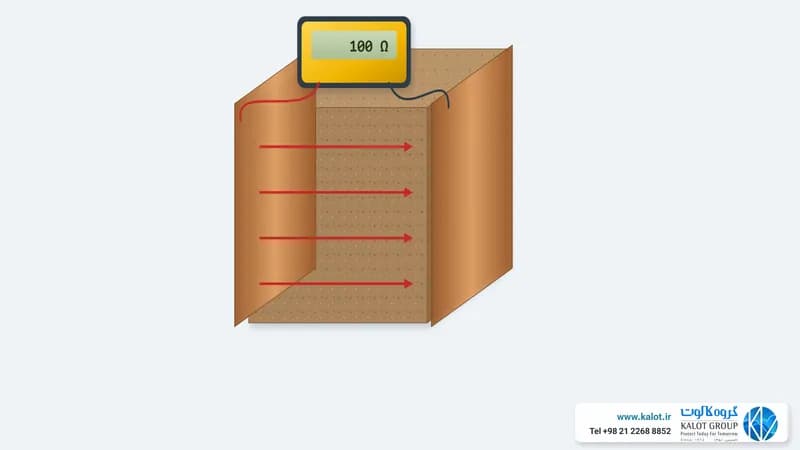
What is soil resistivity (ρ)? Unit, table of values and influencing factors
Soil resistivity is the most important figure in earthing system design. We explain its definition and unit, tables of resistivity for different soils and rocks from BS 7430 and IEEE 142, and the effect of moisture and temperature, with figures and data.
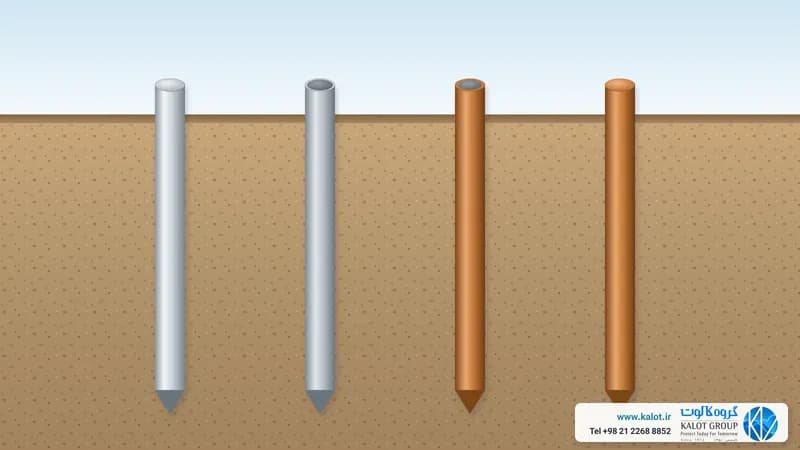
How to choose an earth electrode material: copper, copper-bonded, galvanised and stainless steel earth rods compared
The right earth electrode material depends on how corrosive the soil is, the metal structures around it and what the rest of the system is made of. In this guide we compare copper earth rods, copper-bonded, galvanised and stainless steel options, set out the minimum sizes in the standards and show which choice makes most sense in each soil.
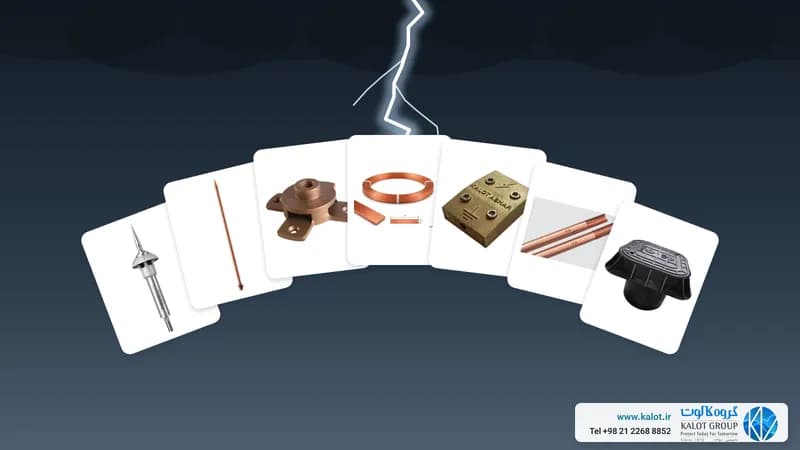
Lightning Protection Equipment: Parts List, Materials and the IEC 62561 Standard
Lightning protection equipment is much more than an air rod and a wire: bases, tape, clamps, disconnectors, earth rods, inspection pits, earth bars and SPDs are all part of it, and every one has to withstand lightning currents of tens of kiloamps and years of wind and rain. In this guide we introduce each part with photos, explain which test IEC 62561 requires for it, show which metals can sit together and tell you what to check when buying.
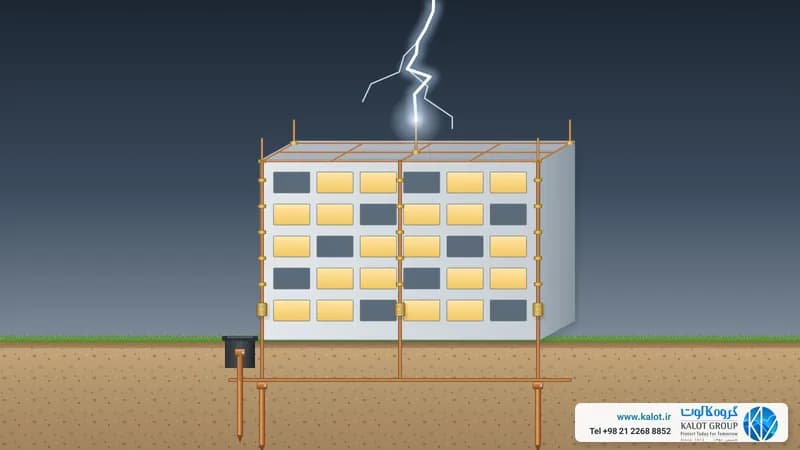
What is a lightning protection system? Its components and the factors in choosing one
A lightning protection system has several parts that work together: an air termination that intercepts the strike (conventional air rod, mesh, suspended wire or ESE air terminal), a down conductor that brings the current down, an earthing system that disperses it into the soil, and bonding and SPDs that prevent sparks and overvoltage inside the building. In this guide, we explain each part and the factors that shape the choice of system, with figures.
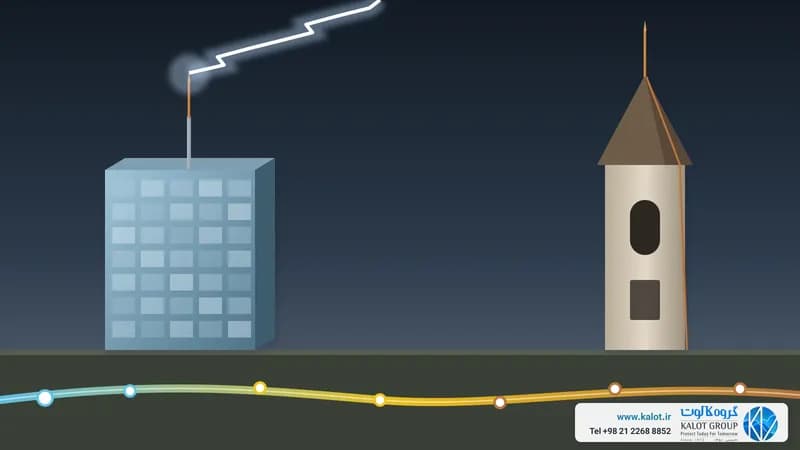
How Lightning Protection Standards Developed: A History
Today's lightning protection rules began with Franklin's letters in 1750 and, 275 years later, have reached the 2024 edition of IEC 62305. In this article we follow that path year by year, with two timelines and a source for each event, and tell you which edition is in force today.
How can we counter the destructive effects of lightning?
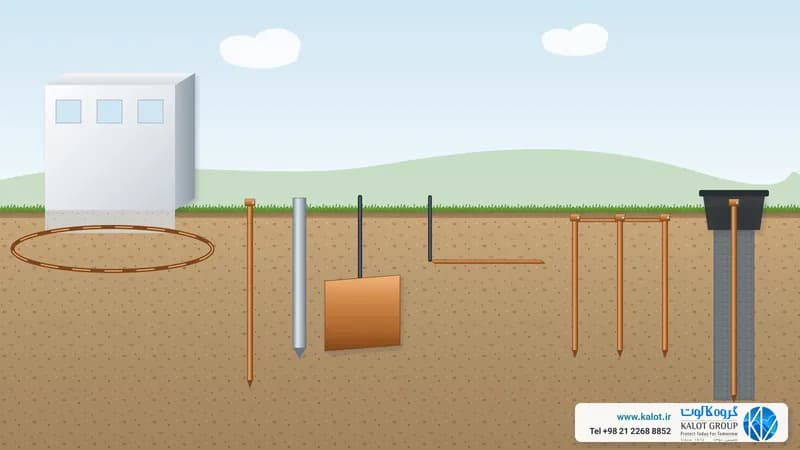
Earth electrode and earth pit resistance formulas to BS 7430 (with a worked example)
Calculate earth electrode resistance in plain language with the formulas of BS 7430:2026: earth rod, pipe, plate, tape, ring, mesh, several parallel earth rods and an earth pit with ground improvement material, with a worked example and the method for calculating earth pit depth.
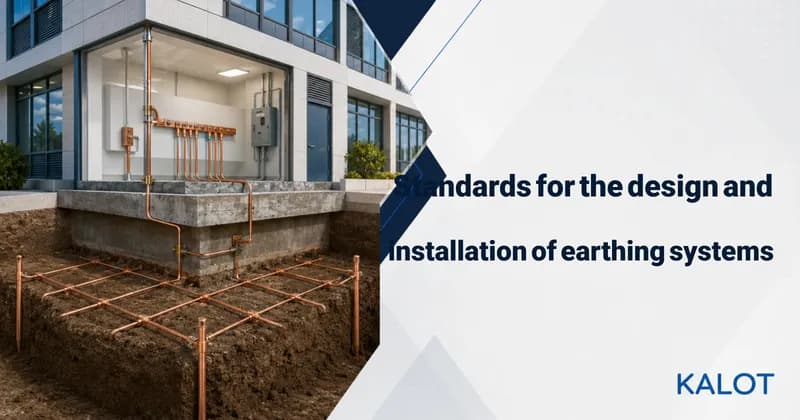
What are the standards for designing and installing earthing systems?
An earthing system does not have one single standard: each part has its own reference. In this guide we introduce, with a visual map, the Iranian regulations and the international standards for the design, installation, component specification and testing of earthing systems, and we explain which one fits which project.