
Knowledge Centre
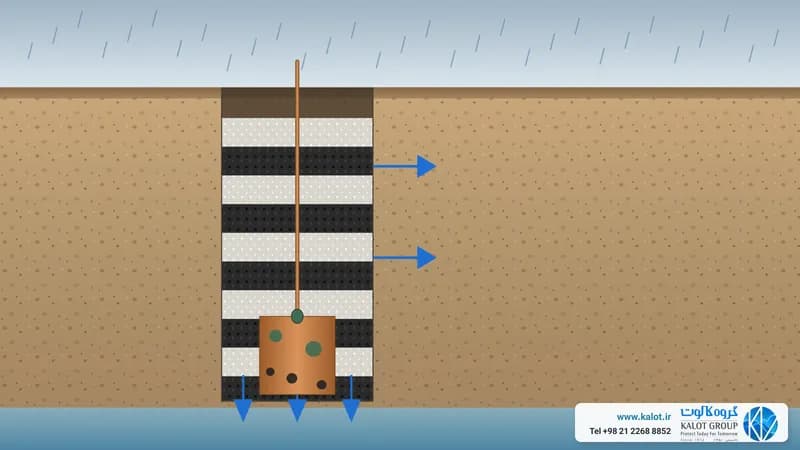
Are salt and charcoal a standard ground improvement material? Pros and cons of salt and charcoal in earth pits
Salt and charcoal is the old way of filling an earth pit: cheap, with low resistance at first, but not a standard ground improvement material. Salt washes out, electrode corrosion speeds up and resistance climbs again. We explain the pros and cons, with figures, and the standard alternative.
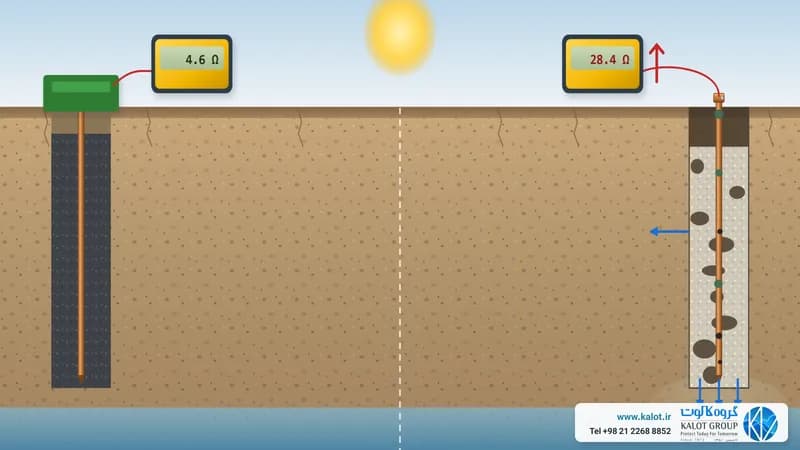
What problems and risks do we face if we use no ground improvement material, or a non-standard one?
Every test that IEC 62561-7 requires for a ground improvement material guards against one risk. An untested material may wash out, corrode the electrode, pollute soil and water, and raise earth resistance season after season. We explain these risks, with figures, and how to recognise a standard material.
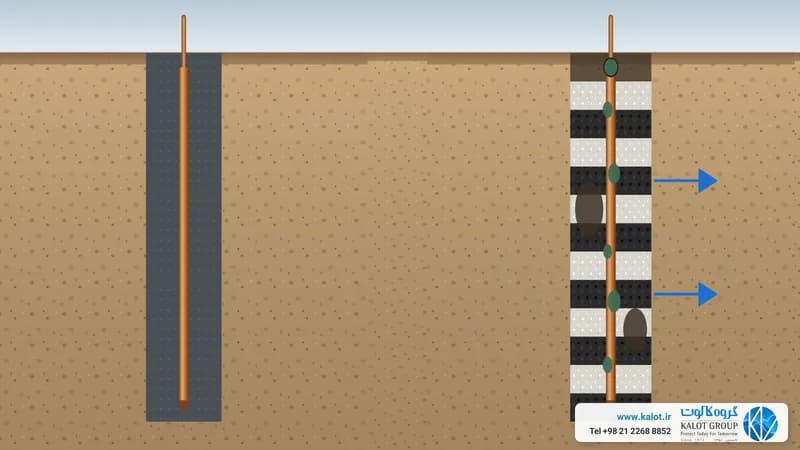
Do ground improvement materials prevent corrosion and decay of the earthing system?
A ground improvement material can lengthen or shorten the life of an earthing system. In this article we explain what eats away an earth electrode in the soil, which backfills speed up corrosion and how a material's corrosion is tested.
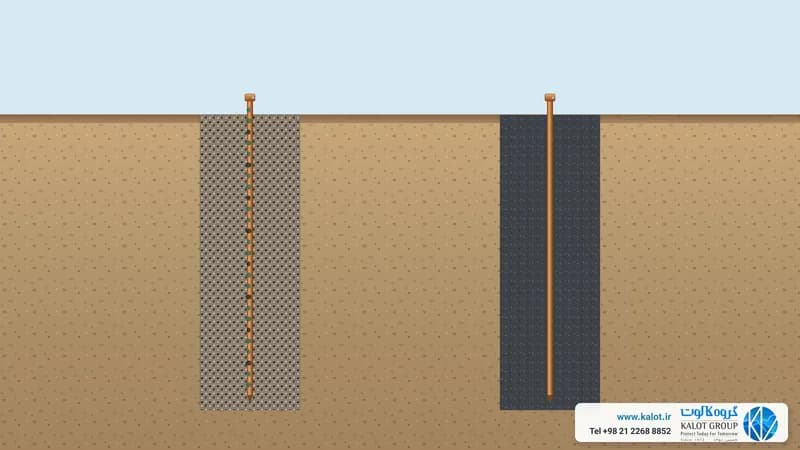
What are the specifications of standard ground improvement materials? A guide to choosing the right one
You cannot tell a standard ground improvement material by its appearance. This plain-language guide covers the eight properties of a good material, how each one is assessed, why salt, charcoal and bentonite cannot replace it, and what to look for on the pack and in the seller's documents.
Earthing | Earth termination system
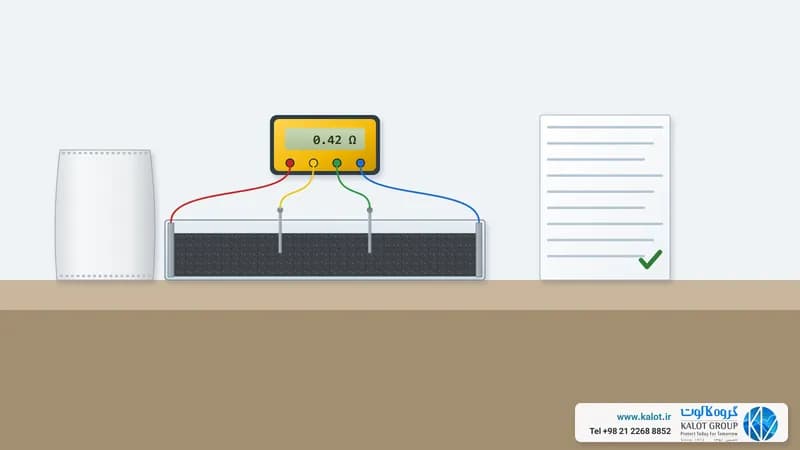
What is the standard for ground improvement materials? IEC 62561-7 and Iranian requirements
Ground improvement materials have their own dedicated international standard: IEC 62561-7. In this guide we explain what tests it calls for, what is required of these materials in Iran and how to recognise a valid test report.
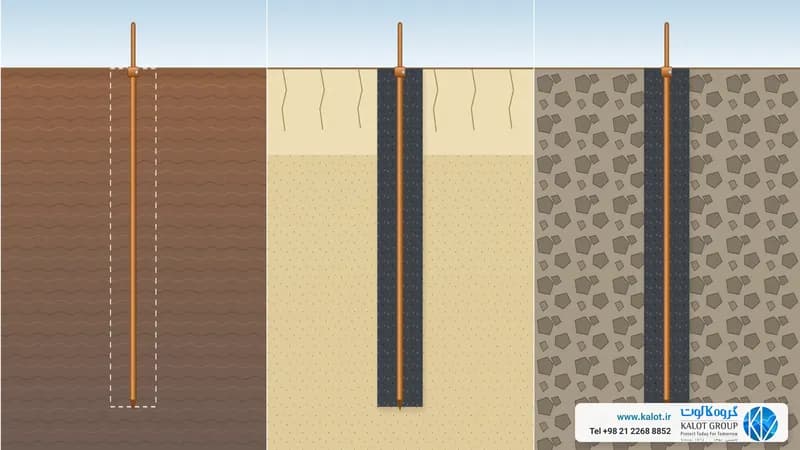
Must ground improvement materials always be used, in every soil?
Ground improvement material is not essential everywhere, but in many permanent installations it is well worth having. In this article we show in which soils it is essential, recommended or optional, how much effect it has and how to decide.
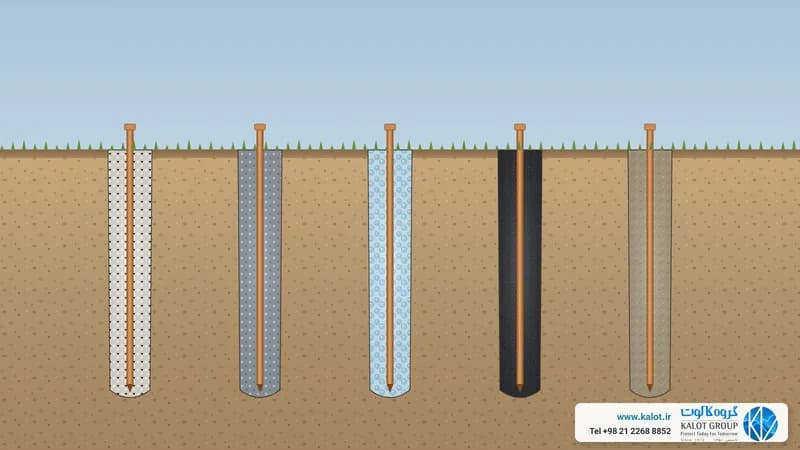
What are the types of ground improvement material? Clay, carbon, polymer, metal and salt-based
Ground improvement materials are usually grouped by chemical base: clay (bentonite), carbon, polymer, metal and salts. With the help of figures, we explain how each type conducts, whether it needs moisture, what form it comes in and which suits a permanent earthing system.
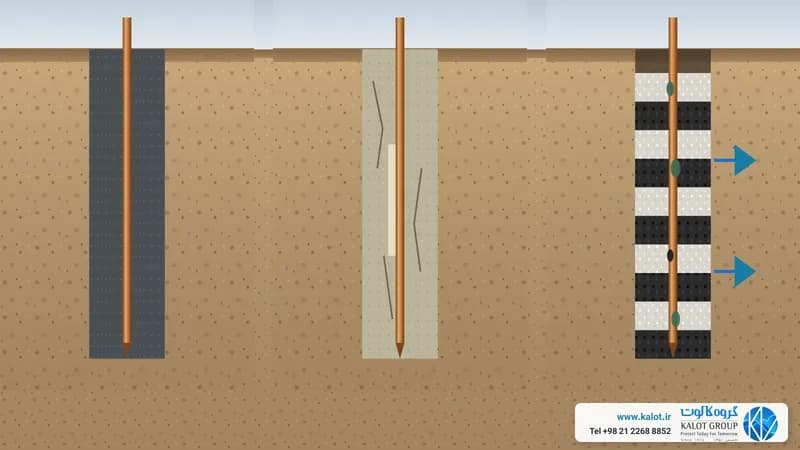
What are ground improvement materials made of?
Ground improvement materials began with salt and charcoal, moved on to clay and bentonite, and today are mostly carbon-based. In this article we explain what each generation was made of, why it fell out of use and what qualities today's standard material has.
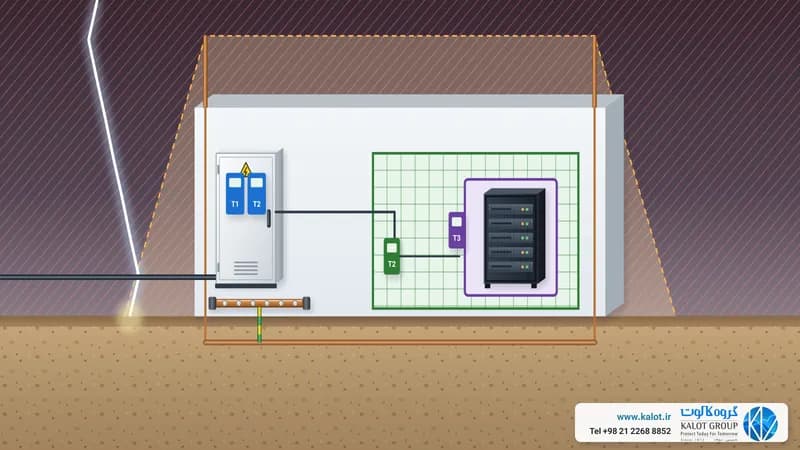
What are lightning protection zones (LPZ)? Reducing lightning overvoltage step by step
In the lightning protection zone (LPZ) model, overvoltage and the lightning magnetic field are not removed in one go; they drop one step at each zone boundary through bonding, SPDs and shielding. With figures, we explain zones LPZ 0A to LPZ 3, the measures at each boundary and the role of shielding and cable routing.