Electrical connection to earth (earthing system): taming the danger of electricity!
Why the earthing system matters for the safety and performance of electrical equipment
For more than a century, electrical energy has been an inseparable part of human life and has made many hard tasks easy. Today, life without electricity is almost unimaginable. Yet alongside its countless benefits come unavoidable hazards, including electric shock, network instability, short circuits and even fire.
The earthing system: a safeguard against electrical hazards
To reduce these hazards, the earthing system, or earth termination, was designed and put to use.
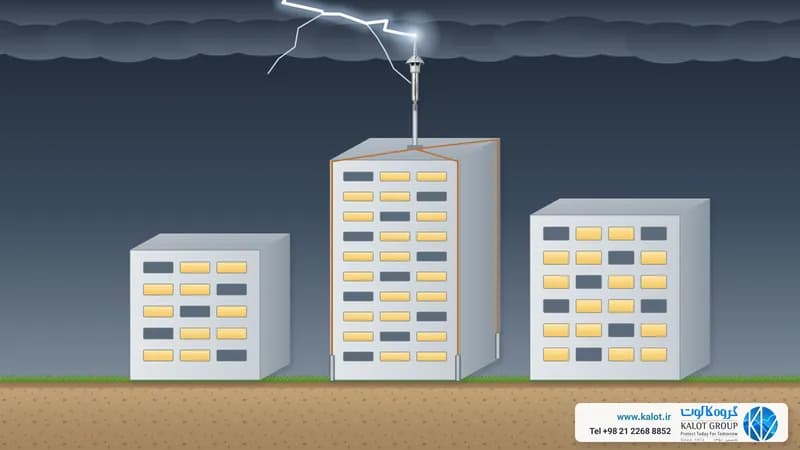
By its nature, the earth has a high capacity to absorb and neutralise electrical energy, as lightning discharges clearly show. This property inspired the earthing system, which developed into a standard protective solution in the electrical industry.
The growth of earthing systems and the role of the earth pit
As generation, transmission and distribution networks expanded, every installation came to need an earth pit and earthing systems. Today the earthing system plays a vital role in power plants and substations, as well as in telecommunications networks and data centres.
Earthing system standards and requirements
Every earth termination must be designed and installed according to international and national standards. The main features of a standard earthing system are:
- Design based on a specific application
- Compliance with recognised standards (such as IEEE Std 80, IEC 62561, EN 50522)
- Components compatible in the material and cross-section of the conductors
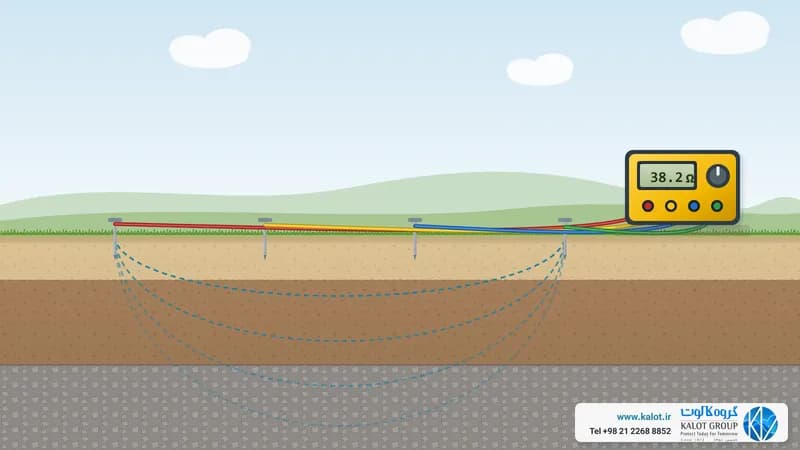
- Stable, reliable resistance against fault currents
- Long service life and resistance to corrosion and decay
Components and equipment used in the earthing system
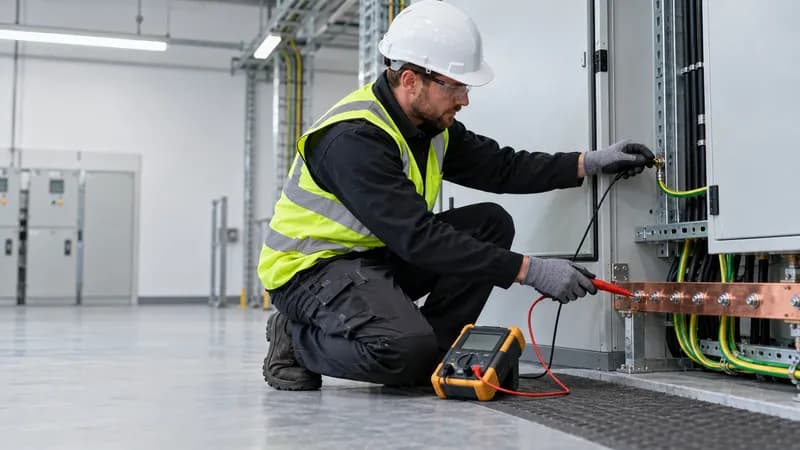
Correct, standard installation of an earthing system requires the following equipment:
- Copper plates and earth rods
- Copper or galvanised tapes and conductors
- Clamps and connectors for secure connections
- Ground improvement materials (bentonite, GIM and others)
- Exothermic welding for permanent joints
These components must be chosen with care so that the earthing system has the durability and performance it needs in different soil and environmental conditions.
Further reading
To learn about the types of earthing system (TN-S, TN-C, TN-C-S, TT and IT) and their technical details, see this page.
For specialist advice on designing and installing an earthing system, you can reach our consultants by Telegram, WhatsApp or email.