
Lightning Protection System Design and Consultancy
At KALOT Group we design lightning protection systems (LPS) around the risk assessment, the structure, the site conditions, how the building is used and what the project requires. Our aim is to reduce the risk of harm to people, structures and equipment, with a design that works hand in hand with the protection of electrical and electronic systems.
Our lightning protection design and consultancy services
- Design basis: We review the architectural, structural and building services documents, the risk assessment results and the project requirements. From these we set the required protection level, the matching LPS class, the design criteria and the applicable standards.
- External protection design: We design the air termination system and define and check its zone of protection. We also design the number, position and routing of the down conductors, and the earth termination system. We then look at using natural components of the structure and at measures that reduce the danger of touch and step voltages.
- Internal protection design: We design lightning equipotential bonding, then calculate and check the separation distance. We also specify the measures needed for conductive parts, structural elements and incoming services.
- Coordination with equipment protection: We check how the design fits with protecting electrical and electronic systems against the electromagnetic effects of lightning, including protection against transient overvoltages.
- Special requirements and buildability: We address rooftop equipment, façades and projecting parts, as well as the requirements of tall buildings, industrial plants and potentially explosive atmospheres. Coordination between disciplines and a check that the design can actually be built are part of this stage.
- Technical review and advice: We review existing designs and systems and recommend improvements. We also specify equipment to suit the design requirements, material compatibility, and the environmental and operating conditions.
Related articles and services
This design starts from a lightning risk assessment. To learn more, read our guide to ESE lightning protection and NF C 17-102 or how lightning forms.
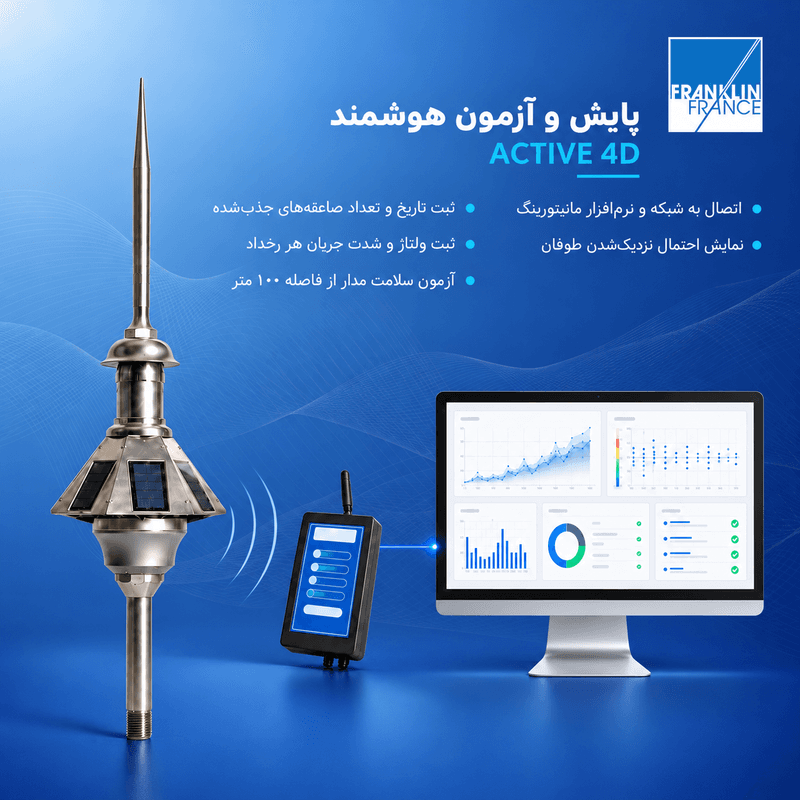
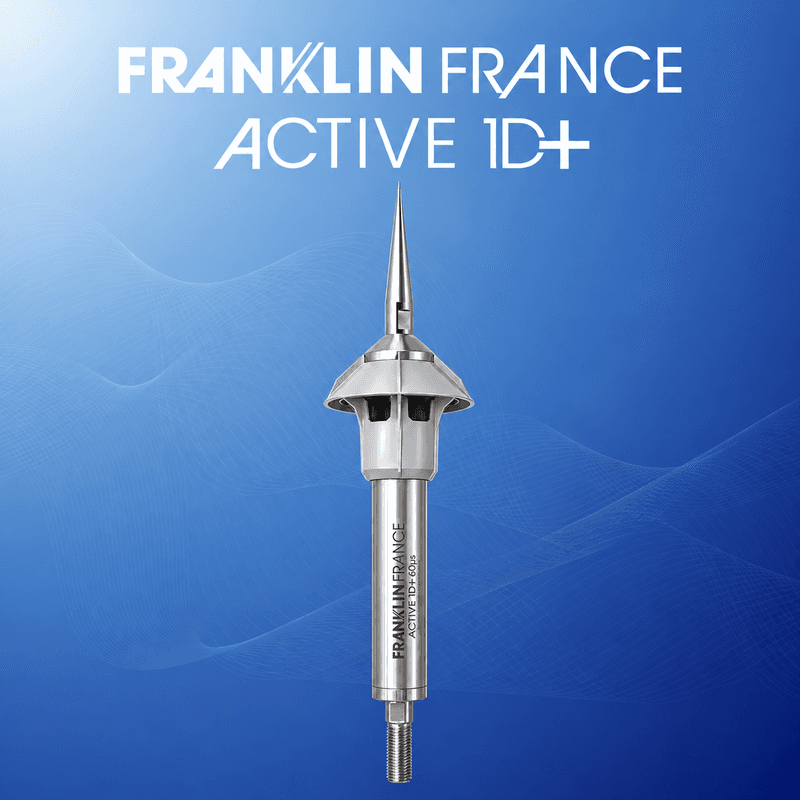
You will find the equipment for your design in our lightning protection products and ESE air terminals. Press the “Request a Technical Consultation” button and our engineers will contact you to discuss your project.
Have a Technical Question?
KALOT Group's technical experts are ready to answer your questions about lightning rods and earthing systems.