A lightning protection system based on international standards
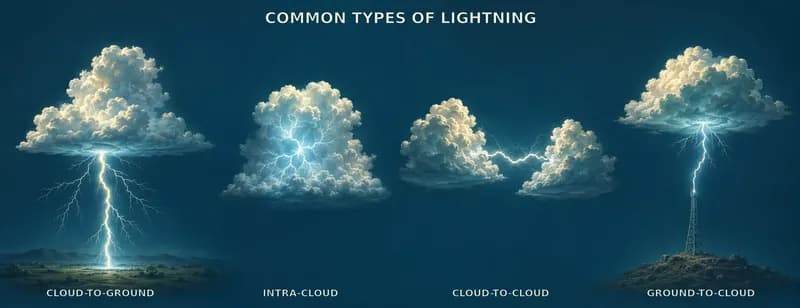
Lightning is one of the most powerful natural phenomena: within a few microseconds it can cause fire, explosion, failure of critical equipment and even put human lives at risk. Installing a single air rod is not enough to counter this danger; what is needed is a multi-layer lightning protection system designed to current international standards. The latest edition of IEC 62305:2024, together with NFPA 780:2023 and NF C 17-102:2011, sets out a precise framework for designing and installing such a system, each with its own methods.
1. Risk assessment and choosing the protection class (Risk Assessment & LPS Class)
The first step is a risk analysis of the structure or facility. At this stage:
- The required lightning protection level (LPL I to IV) is identified.
- The class of the lightning protection system (LPS Class I to IV) is determined.
This choice is the basis for designing the whole system and sets the level of protection it must deliver.
2. LPZ protection zones (Lightning Protection Zones)
Under the LPZ (Lightning Protection Zones) concept, a building is divided into different zones:
- LPZ0A: a zone exposed to direct lightning strikes.
- LPZ0B: a zone safe from direct strikes but still subject to a strong electromagnetic field.
- LPZ1, LPZ2 and higher: in these layers the lightning energy is reduced, and sensitive equipment is housed here.
3. External protection system (External Lightning Protection System, ELPS)
The external protection system has three main parts:
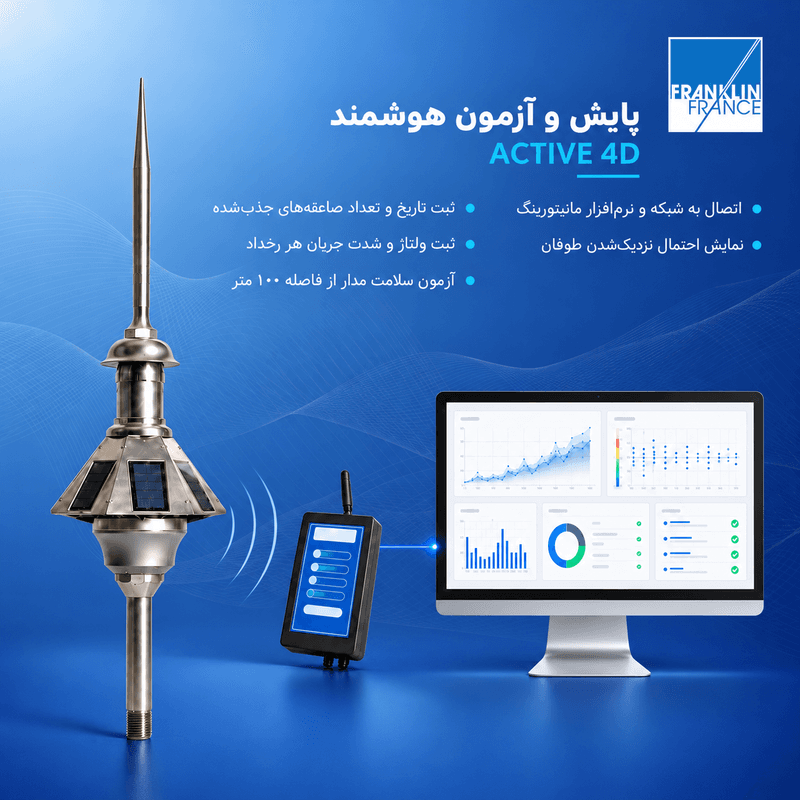
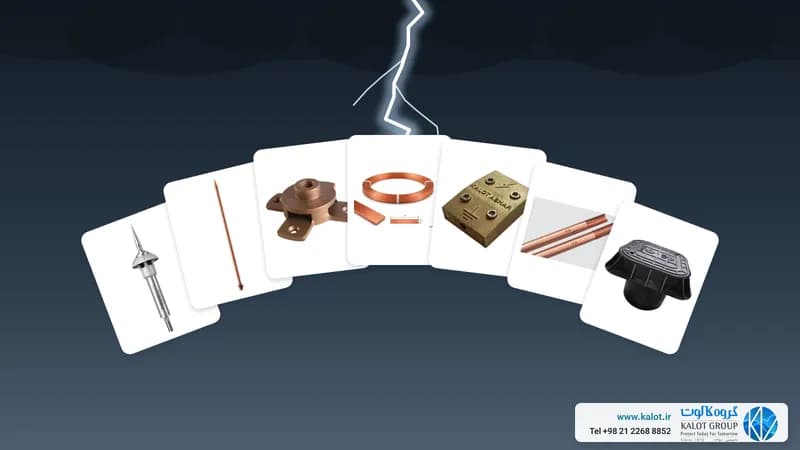
- Air termination (the unit that intercepts the lightning)
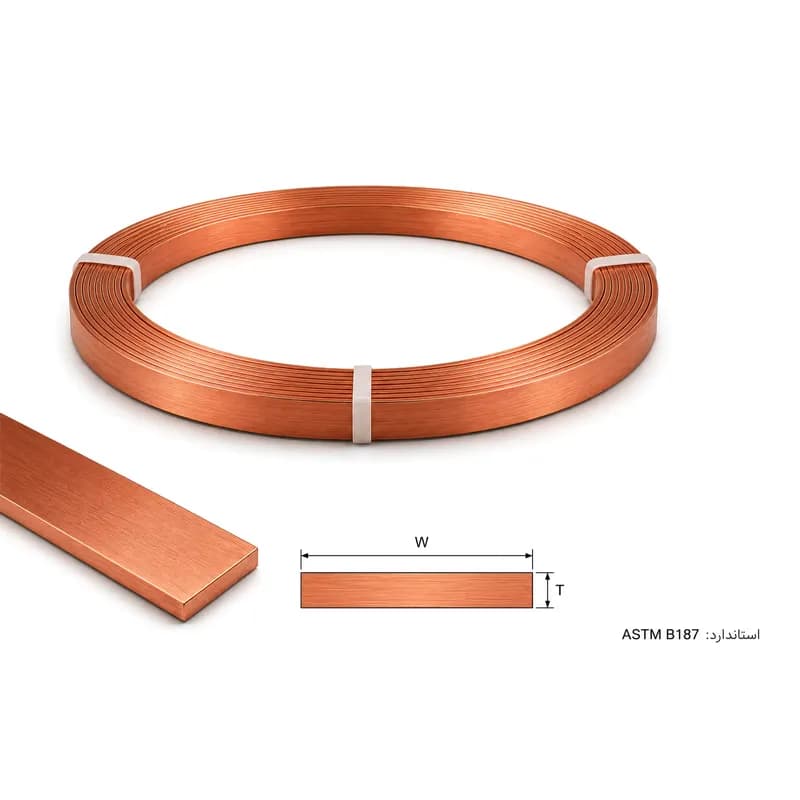
- Down conductors
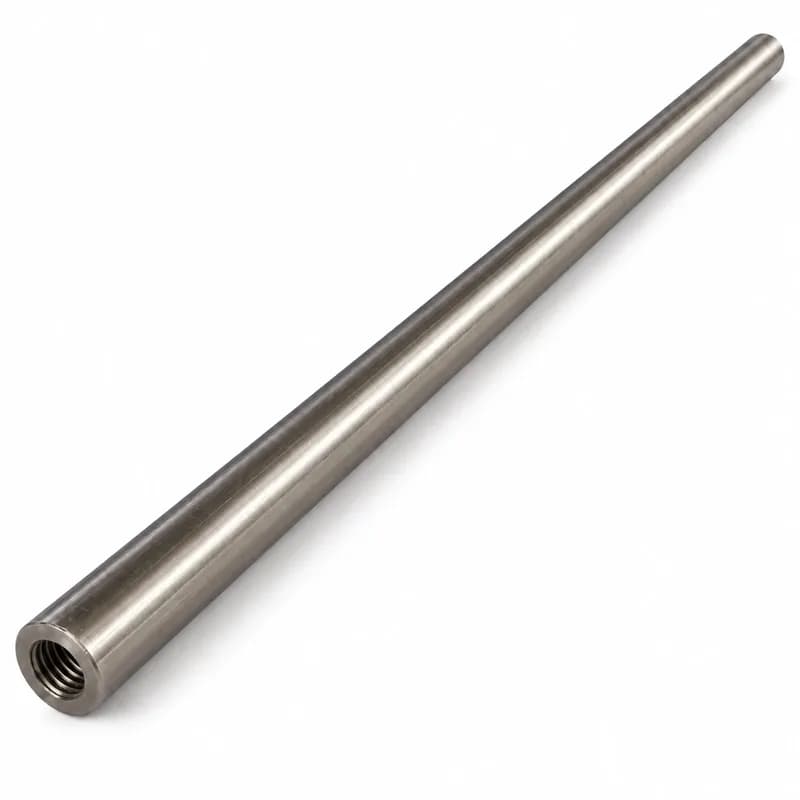
- Earth termination (earth electrodes)
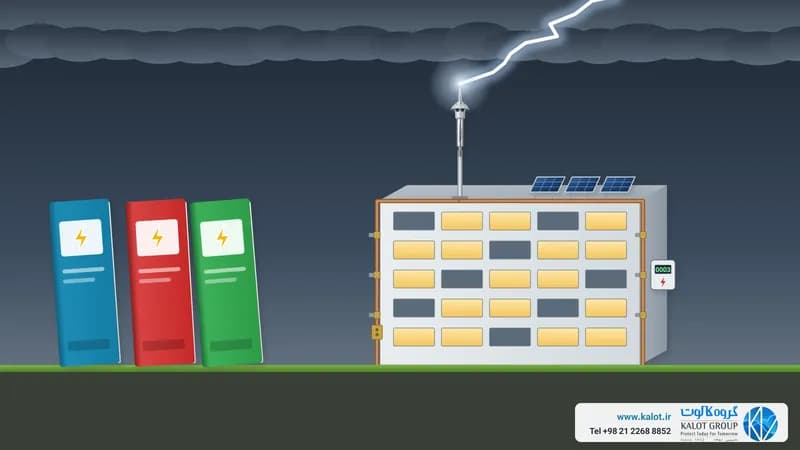
Together these parts receive the lightning current at the highest point of the structure and carry it to earth along the shortest path. The type of LPS must be chosen from the results of the risk assessment.
4. Internal protection and bonding (Internal Protection & Equipotential Bonding)
Inside the building, the aim is to prevent dangerous potential differences:
- Equipotential bonding of all metal parts and incoming services.
- Using a spark gap or bonding SPD in cases where a direct connection is not permitted.
- Keeping the separation distance (Separation Distance, s) to prevent unwanted sparks.
5. Protection against overvoltages (Surge Protective Devices, SPD)
Overvoltage from lightning or switching can reach equipment through power or data lines. The answer is to use surge protective devices (SPDs) at several levels:
- Type 1 SPD: at the main entrance to the building (to discharge direct lightning current).
- Type 2 SPD: in the internal distribution boards (for induced or switching overvoltages).
- Type 3 SPD: close to sensitive equipment (final protection).
Coordination between these three levels is the key to protection. Special systems such as solar and telecommunications also need dedicated DC and data SPDs.
6. Low-impedance earthing system
A suitable earthing system must give the lightning current a stable, low-impedance path to discharge. Common methods include:
- Perimeter ring conductor
- Internal mesh
- Foundation earth electrode
The important point is to integrate protective and functional earthing, so that all systems sit at the same potential level.
7. Inspection and maintenance
A protection system stays effective only through regular inspection and maintenance:
- A visual inspection every year is mandatory.
- Electrical tests should be carried out every 2 to 4 years (depending on the LPS class and the environment).
- After any lightning strike or any change to the structure, the system must be inspected immediately.