Lightning, the flash that comes with thunder, is a natural phenomenon caused by an electrical discharge in the atmosphere, between clouds and the ground or between two different clouds. It forms through complex processes, including the build-up of electric charge in storm clouds and, finally, an electrical discharge through the air. The intensity of this discharge can cause severe damage to industrial facilities, structures and electrical equipment and poses a serious threat to the safety of people and animals.
The nature and intensity of lightning depend on the amount and type of electric charge (positive or negative). The distribution of charge in a cloud changes as masses of warm, moist air move inside it. As charge accumulates, the potential difference grows until it can overcome the insulating resistance of the air. For example, if the lower part of a cloud carries a negative charge and is close to the ground, lightning will strike between the cloud and the ground; this is called negative cloud-to-ground lightning, and most cloud-to-ground strikes are of this kind. Other types of lightning form by the same mechanism, though the charge type or direction may differ.
Lightning can produce voltages of up to around 100,000,000 (one hundred million) volts, and lightning currents of more than 200,000 (two hundred thousand) amperes have been recorded.
Lightning is a hot phenomenon that heats the surrounding air molecules to as much as 30,000 degrees Celsius. At that temperature the air molecules begin to radiate, and this is what we know as the lightning flash.
Main types of lightning
1. Cloud-to-ground lightning (Cloud-to-Ground, CG)
- The most common type of lightning
- Transfers electrical charge from the cloud to the earth's surface
- The most dangerous type for people and structures
2. Intra-cloud lightning (Intra-Cloud, IC)
- Mostly occurs within a single cloud
- Seen as a broad glow across the sky
- The most frequent type of lightning worldwide (~50% of occurrences)
3. Cloud-to-cloud lightning (Cloud-to-Cloud, CC)
- Transfers electrical charge between two or more clouds
- Seen in the sky as long streaks of light
Rare types of lightning
4. Ball lightning (Ball Lightning)
- Very rare and seldom seen
- Appears as a floating sphere of light
- May last a few seconds and then vanish
5. Upward lightning (Upward Lightning)
- Instead of coming down from the cloud, it travels upwards from the tips of towers or masts
- Usually occurs in mountainous areas and on tall structures
6. Blue jets (Blue Jets)
- A rare electrical discharge shot from the top of storm clouds towards the stratosphere
- Brilliant blue in colour
7. Elves and sprites (Elves & Sprites)
- Very rare optical phenomena above the clouds
- Sprites are pinkish red, shaped somewhat like a doll or ghost
- Elves are short-lived rings of light at high altitude
Lightning protection methods
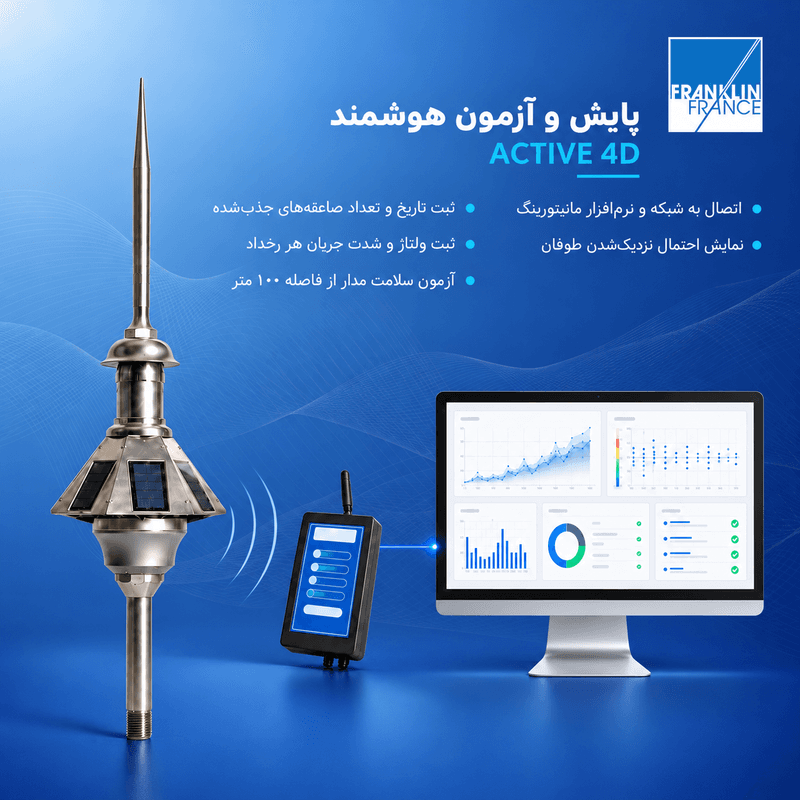
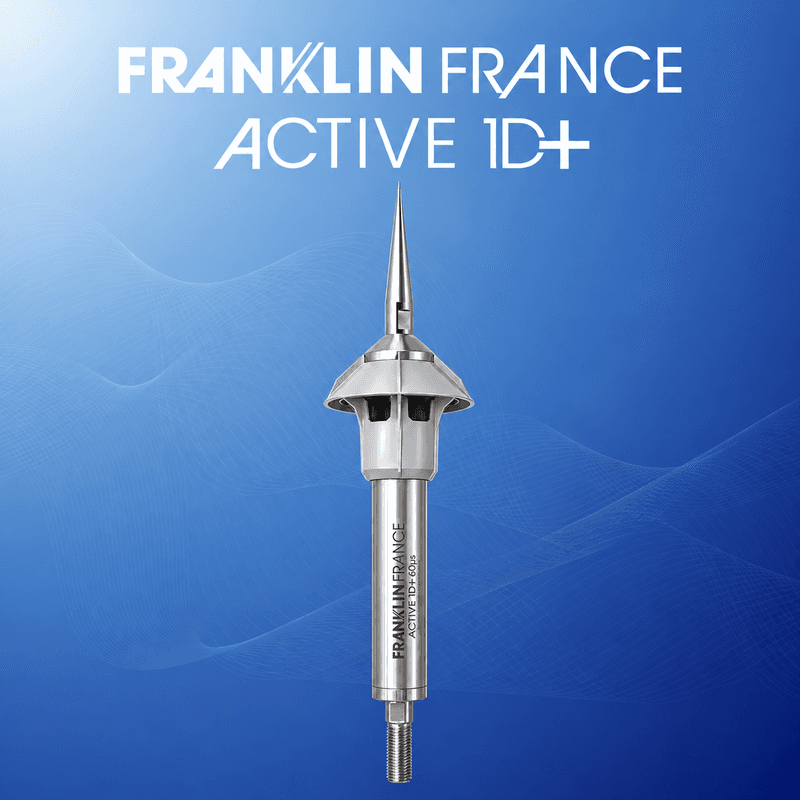
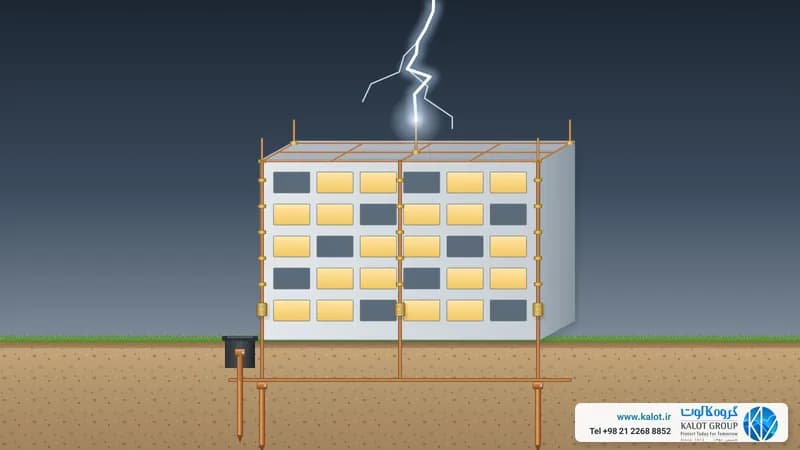
To prevent lightning damage, protection systems such as air terminals, earthing and surge protective devices are essential in buildings and facilities. These systems can effectively capture the electrical energy of lightning and stop it from spreading to sensitive parts. To explore the equipment used in lightning protection, you may find it very worthwhile to read about the Franklin France ESE air terminal models and their technical specifications, as one of the main and most important components of lightning protection systems.